
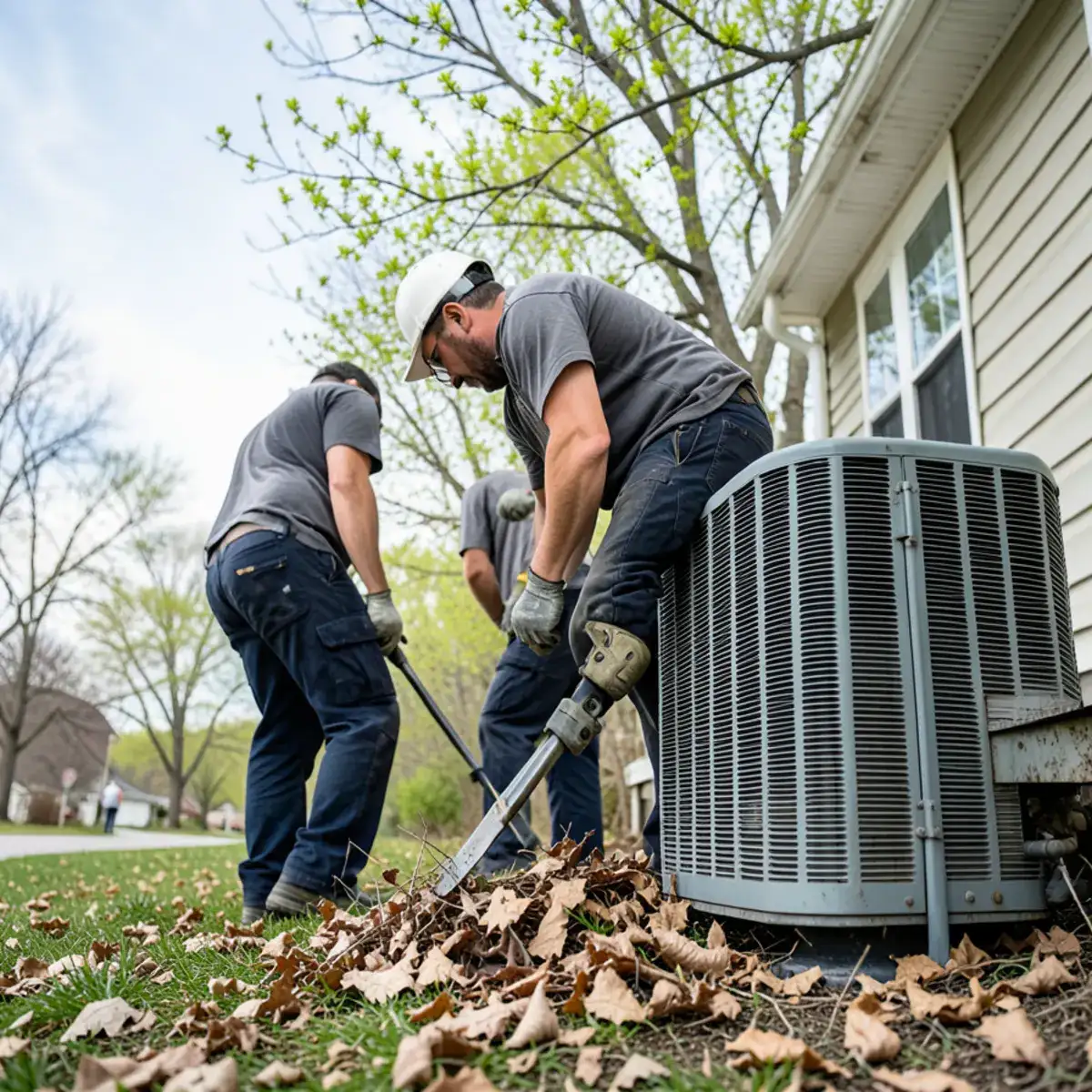
This AC maintenance checklist takes about an hour on a spring Saturday: shut off the power, clean around the outdoor unit, change the filter, flush the drain and test the cooling. Do it before the first warm stretch, then have a technician handle the coil, the electrical readings and the refrigerant.
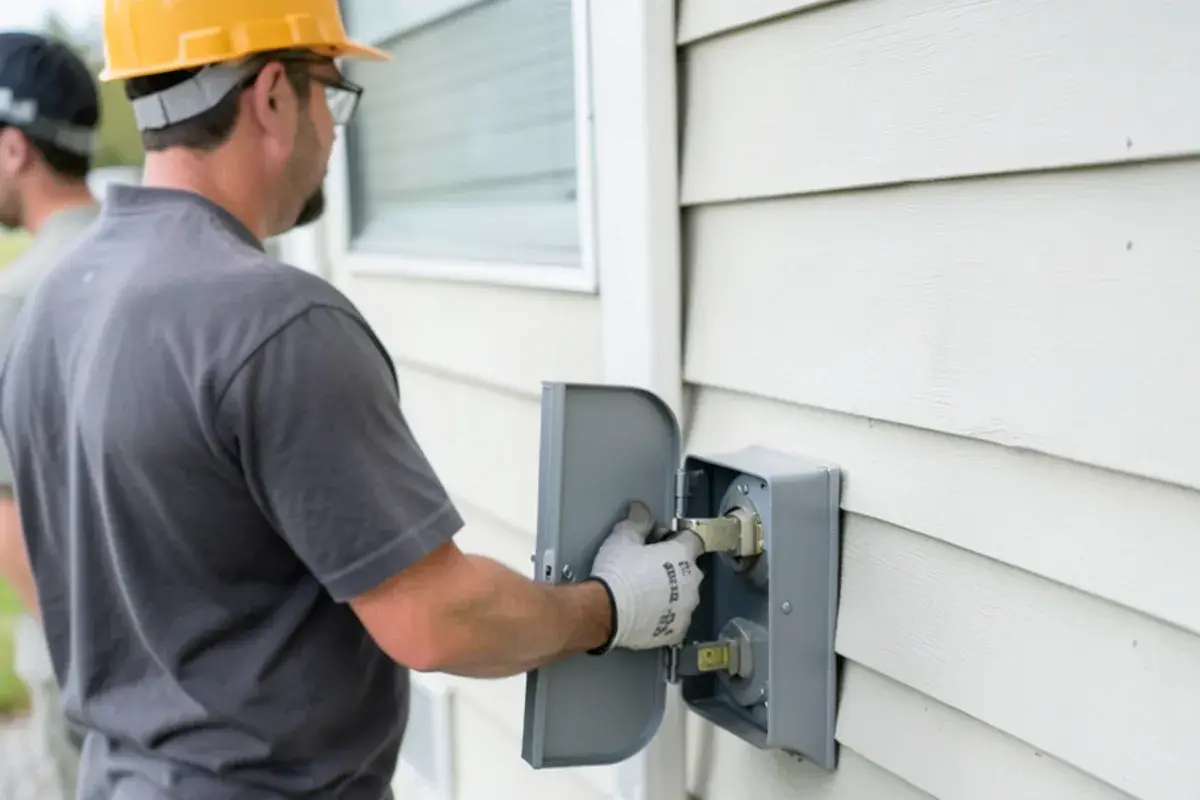
The spring AC maintenance checklist
Work through these in order on a dry day. Nothing here needs special tools, and the whole list takes about an hour. Print it, check off each line and keep it with the furnace paperwork.
Outside at the condenser
- Shut off the power at the disconnect and the breaker.
- Clear leaves, sticks and grass clippings from around the base.
- Trim shrubs and weeds back two feet on every side, plus five feet above.
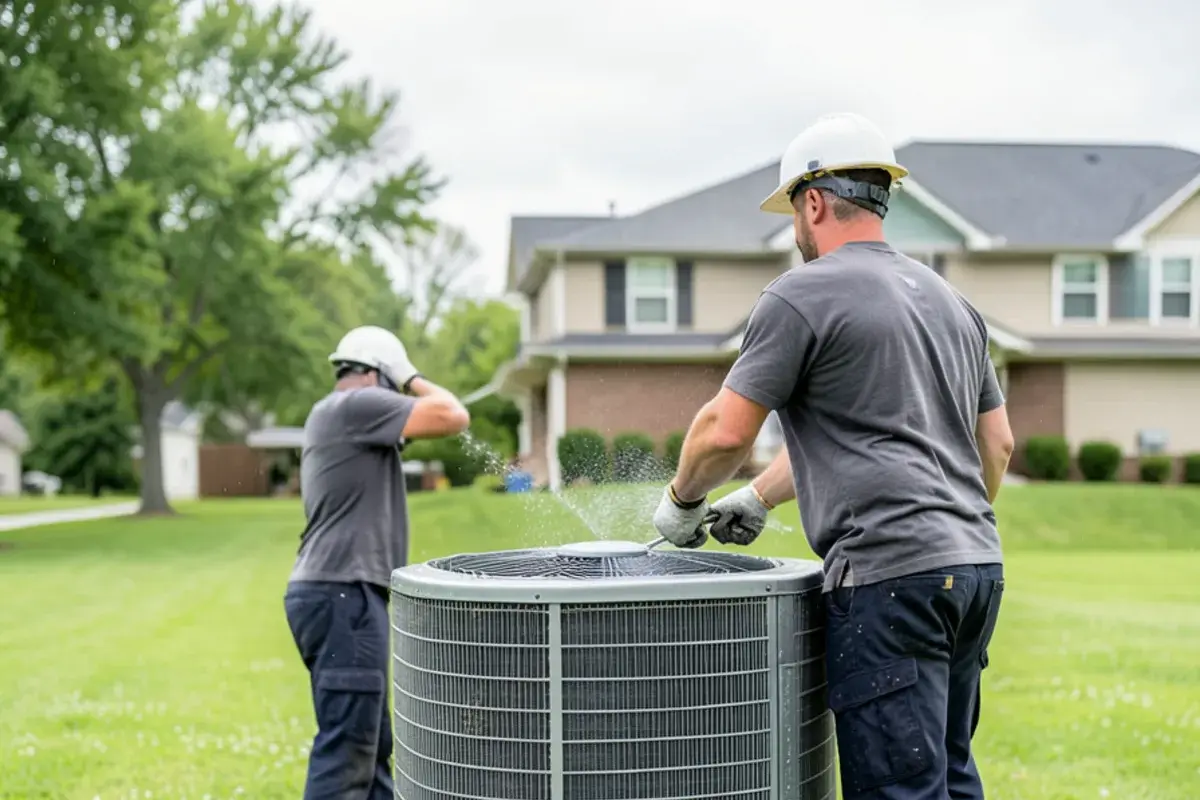
- Rinse the coil with a garden hose on a soft setting. No pressure washer, and no bending the fins.
- Look for chewed wiring or a missing cover on the line set.
- Check that the pad is level. A unit that has settled can strain its copper lines.
- Remove any cover you used over winter. A covered unit traps moisture, and starting one with the cover on can damage the compressor.
Inside at the furnace or air handler
- Change the filter. See how often to change an HVAC filter for your type.
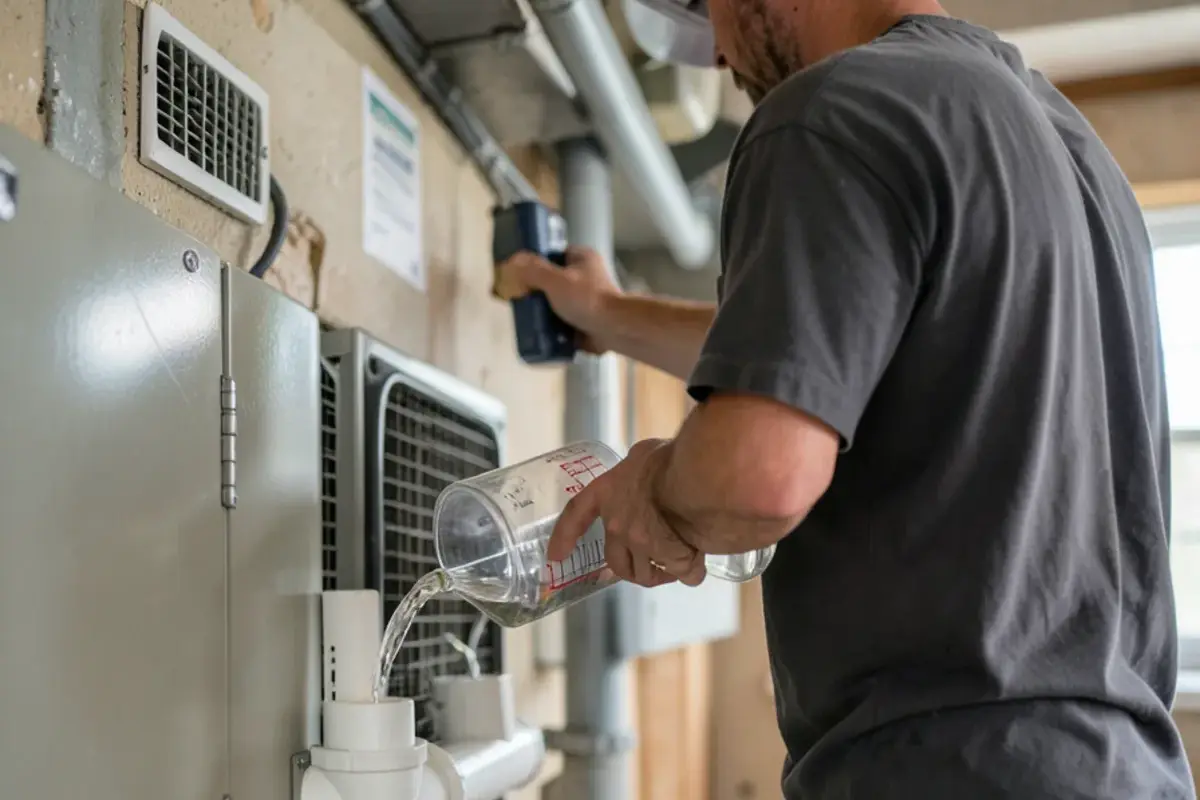
- Find the condensate drain and pour in a cup of water. It should flow out without backing up.
- Look at the drain pan for standing water, rust or a musty smell.
- Clear boxes and storage from around the unit.
Around the house
- Open every supply register and clear furniture from returns.
- Replace thermostat batteries, if yours uses them.
- Set the thermostat to cool and the fan to AUTO.
- Vacuum dust from return grilles.
Tell us what your system is doing
Our office is open Monday to Friday, 8 AM to 4 PM. Call and we will sort out the next step.
How to test the system once the weather warms
Wait for a day warm enough for normal cooling, then restore power and run the AC for 15 minutes. You are listening and measuring, not fixing.
- Turn the disconnect and breaker back on.
- Set the thermostat a few degrees below room temperature.
- Confirm the outdoor fan is spinning and air leaving the top feels warm.
- Hold a thermometer at a return grille and then at the nearest supply register.
- Write down the difference.
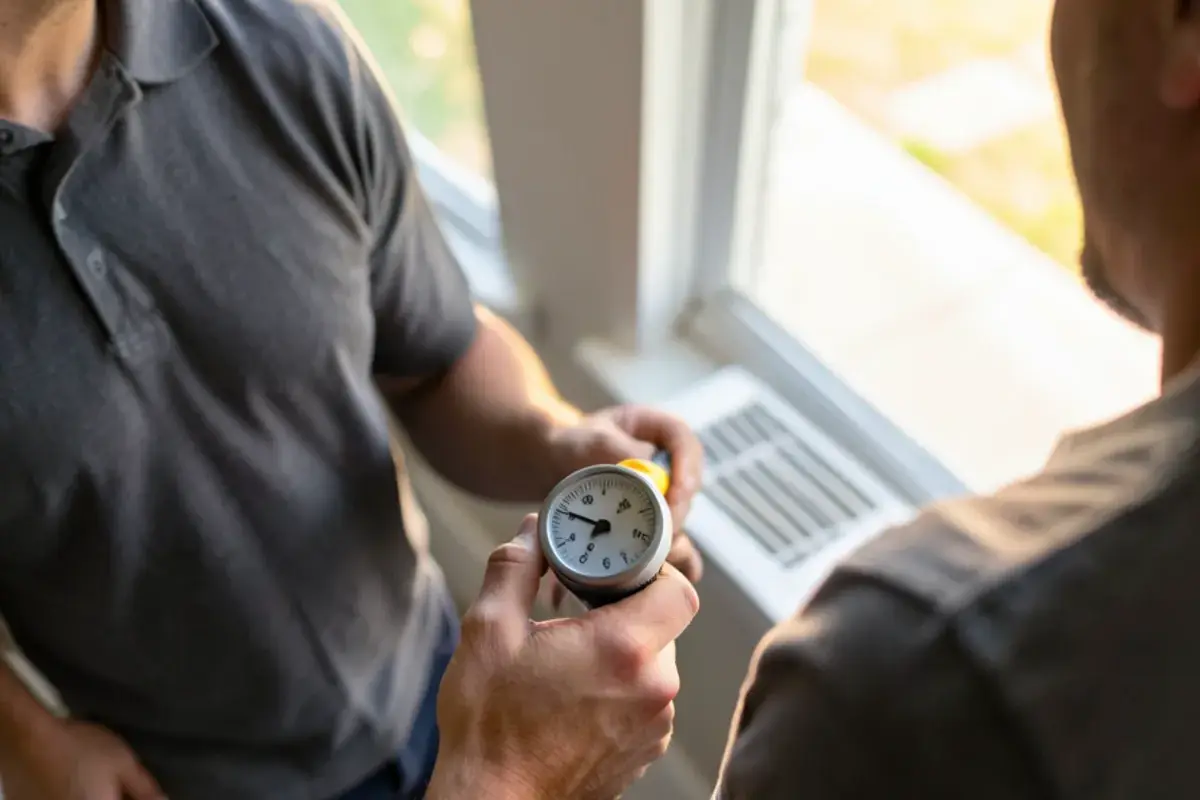
A healthy system usually shows a drop of about 15 to 20 degrees between return and supply air. Treat that as a rough screen, not a diagnosis, since humidity changes the result. If the split is small, or the air feels warm, turn the system off and call.
Stop and call for any of these:
- Humming from the outdoor unit with no fan movement
- Grinding, squealing or a loud bang at startup
- Frost or ice anywhere on the refrigerant lines
- A breaker that trips again after one reset
- Water around the indoor unit
What does winter do to an idle air conditioner in Missouri?
An AC sits still for months, and that is when small problems settle in. These are the ones a spring look tends to find around Hermann.
- Nests and droppings. Mice like the warm control box in the fall, and wasps and mud daubers build in contactors and panels in early spring. A nest across the contacts can stop a healthy unit from starting. Look through the fins and the side grilles with a flashlight, but leave the panels on, and call if you find a nest.
- Cottonwood and yard debris. River-valley fluff arrives in late spring and packs the coil. If you rinse in April, plan a second rinse once it falls.
- Frost heave and soft ground. A wet winter can tilt a pad. A tilted unit strains the line set, so note it even if the system still runs.
- Storm damage. Spring hail bends fins and wind drops limbs. Photograph any damage with the date, since you may want it for an insurer.
A month-by-month plan for the cooling season
Hermann logs about 27.6 days above 90°F a year (BestPlaces), so the work below pays off well into August.
| When | What to do |
|---|---|
| March | Book the tune-up, buy a season of filters and clear the area around the unit |
| April | Run this checklist, then test on the first warm day |
| May | Rinse the coil again after cottonwood season, and pour water through the drain |
| June | Change the filter, then check the temperature drop on a hot afternoon |
| July | Check the filter monthly, listen for new noises and look at the drain pan |
| August | Note how the system handled the hottest week, and book repairs before fall |
Write one line after each visit: the date, the filter size, the temperature drop and anything odd. After two summers, that log shows you which way the system is heading.
Three habits do more harm than good in spring. Skip the pressure washer, skip the cover over the outdoor unit once it warms up, and skip running the AC on a chilly morning just to test it. Wait for a properly warm day, so the reading you take means something.
What a professional AC tune-up adds
The checklist protects the system, and the tune-up tests it. ENERGY STAR's list for a contractor visit covers tightening electrical connections, measuring motor voltage and current, lubricating moving parts, cleaning coils, checking the refrigerant level, and adjusting blower components for airflow.
| Item | You | Technician |
|---|---|---|
| Filter, clear space, hose rinse | Yes | Verifies |
| Capacitor reading against its rating | No | Yes |
| Contactor and electrical connections | No | Yes |
| Refrigerant level and pressures | No, by federal law | Yes, EPA Section 608 required |
| Indoor coil and blower wheel cleaning | No | Yes |
| Temperature split and airflow reading | Rough check | Measured |
The capacitor reading is the one that pays off. A weak capacitor is cheap to replace in April and a much worse problem during the first 95°F stretch. Our AC maintenance page lists what we check on a visit.
Do not add refrigerant yourself or let anyone top it off without looking for the leak. The EPA requires Section 608 certification to handle it, and a low charge always means a leak somewhere.
If you have a heat pump or a window of mild weather
Heat pump owners get a shorter list, because the system never had a winter off. Skip the cover step, keep the rest and add one check: look for bent fins or a damaged base from ice sliding off the roof, since the outdoor coil worked all winter. Then switch the thermostat from heat to cool on the first warm day and confirm the changeover happens. If the indoor coil stays warm, the reversing valve deserves a look.
What we tell customers each spring
Do this early, because the first warm weekend is when everyone calls. Book your tune-up in March or April. If you live in the river bottoms around Morrison or Rhineland, plan a second gentle rinse in June, since cottonwood fluff can mat the coil again after you have cleaned it.
Keep the checklist with the dates on it. That record tells a technician a lot, and it shows you when a part keeps coming back. If the system fails your test, our AC repair page explains what happens next.
Want it on the calendar before the heat arrives? Call (209) 563-1270 to book your spring visit.
Brian Grannemann
Owner, Brian Grannemann Services Inc, Hermann, MO. In business since 1998 across heating, cooling, electrical and plumbing work.