
Bed and breakfast HVAC in Hermann succeeds when each guest room can be set on its own, runs quietly at night and gets its service in the quiet weeks. A single thermostat in the front hall cannot please a couple upstairs and a family at the back. Plan zoning first, then build the work around your booking calendar.
The three complaints that end up in reviews
Guests rarely write about your equipment. They write about a room that was too hot, a noise that woke them, or a smell. Fix those three and the system has done its job.
"The room was too warm upstairs." Heat rises, and a whole-house thermostat downstairs has no idea what is happening under the roof. In an older house, the top floor can run several degrees warmer than the hall.
"Something kept clicking on all night." A guest in a strange bed hears everything: a blower starting, a duct ticking, a window unit cycling. People at home tune these out. People on vacation do not.
"The room smelled musty." Humidity in closed rooms does this, and so does a wet coil or a dirty filter. A room that sat empty midweek in August is the usual culprit.
Tell us what your system is doing
Our office is open Monday to Friday, 8 AM to 4 PM. Call and we will sort out the next step.
Bed and breakfast HVAC in Hermann: zone the rooms first
Give every guest room its own control. That one decision answers the first complaint and lowers your bills in the off-season, because you stop conditioning empty rooms.
The right equipment depends on what the building already has.
| Building situation | What usually fits | Trade-off |
|---|---|---|
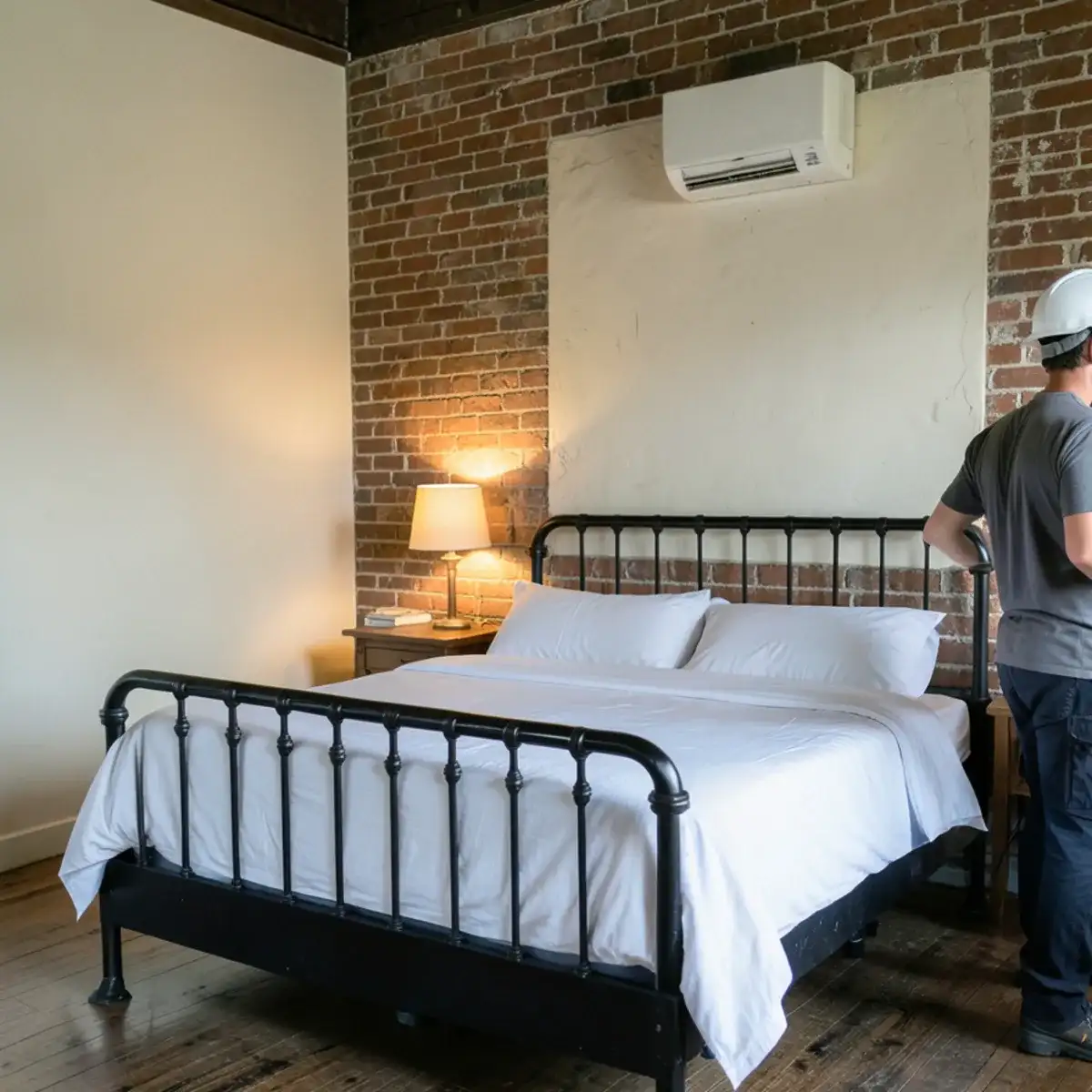
| Brick house, no ducts, four or fewer rooms | Ductless mini-split with a head in each room | Visible head, one outdoor unit may serve several rooms |
| Existing ducts, sound furnace | Duct zoning with dampers and room thermostats | Older ducts may need sealing and resizing first |
| Radiators in good shape | Keep the boiler for heat, add ductless for cooling | Two systems to maintain |
| Carriage house or cottage on the lot | Its own small system | Separate outdoor unit, separate service |
Many Hermann buildings are in or near the Historic District, so read our guide to heating a historic brick home before you pick a location for anything outside. Ask the city about exterior rules before you buy equipment.
Refrigerant lines can follow closets or a basement instead of crossing finished walls, ENERGY STAR says, which suits an old building where the plaster is part of what guests pay for. The National Park Service recommends smaller zoned units in shared vertical spaces, such as stacked closets, for exactly this reason.

How quiet is quiet enough?
Judge a system at 2 AM, not at the showroom. Ask any contractor for the published sound rating of the indoor unit at its lowest speed, and then stand in the room when it is commissioned.
These habits cut noise more than the spec sheet does.
- Keep outdoor units away from guest windows. ENERGY STAR advises placing them away from doors and windows. A rear garden wall is often a good home for them.
- Use a slow, long cycle. Variable-speed equipment holds temperature at low speed, instead of starting and stopping all night.
- Isolate vibration. Pads and proper mounts stop a unit from humming through an old wall.
- Do not oversize. Large equipment starts loud and cycles often, and it leaves rooms clammy.
Keeping controls simple for strangers
Guests will not study a thermostat. Pick controls with a big display and clear up and down buttons, and set limits so nobody leaves a room at 60°F with the door open.
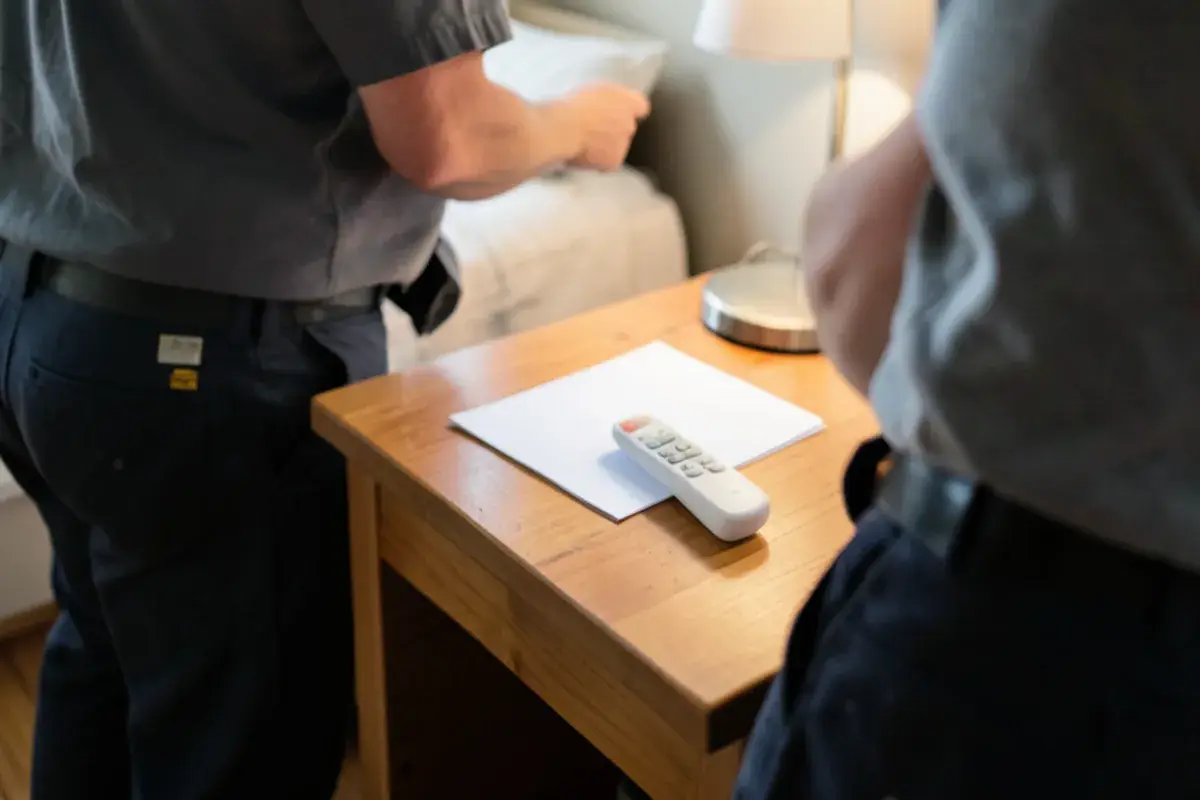
Put a card in each room that says three things: how to change the temperature, how long the room takes to respond, and who to call if something is wrong. Then ask a friend to try it in the dark.
Common rooms need separate thought. A breakfast room can swing fast, because ten people and a working kitchen add heat and moisture at the same hour every day. A range hood that vents outdoors helps more than turning down the thermostat.

Plan work around full weekends
Book HVAC work by your calendar, not by when the contractor happens to be free. Visit Hermann describes October weekends as filled with Oktoberfest events, and the town's calendar runs on into Christmas festivities, so those are the worst weeks for a surprise.
| Time of year | What to do | Why then |
|---|---|---|
| Late winter | Plan replacements, get quotes, ask the city about exterior work | Guest counts are often lower and there is time for any review |
| Early spring | Cooling tune-up, clean heads and coils | Before the first warm weekend |
| Midsummer | Check filters monthly, watch humidity in empty rooms | Closed rooms grow musty first |
| Late August to September | Furnace tune-up, CO alarm test | Before the October weekends |
| October | Filters only, no planned work | Full houses, no room to take offline |
| November to December | Book weekdays only | Holiday stays and events |
Those are general patterns, so adjust them to your own booking data. Any large job should begin midweek, one floor at a time, so you can keep selling the other rooms. Ask your contractor for a room-by-room schedule in writing, including when the power or the heat will be off.
What is your plan when a room fails on a full weekend?
Write it before the season, because a Saturday night in October is no time to invent one. Our office keeps weekday hours, so an innkeeper needs a plan that does not depend on anyone arriving in an hour.
- Know your shutoffs. Everyone who runs the house should be able to find the breaker, the system switch and the gas or water shutoff in the dark.
- Keep a room in reserve. On a full weekend, know which guest could move and what you would offer them.
- Stock simple backups. A quality electric heater with a tip switch, a quiet fan and spare filters solve most single-room problems for a night. Keep heaters away from bedding and curtains, and plug them straight into the wall.
- Decide what you will tell a guest. A short, honest message and a fair offer do more for a review than a long apology.
- Log what happened. The date, the room and what the unit was doing give a technician a head start on Monday.
Empty rooms need a plan as well. Leaving one fully off in a humid July or a hard January trades a small saving for musty air or a cold wall. Hold unbooked rooms a few degrees off your normal setting, run them on a schedule ahead of arrival, and let a room with its own control come back slowly so it is settled by check-in.
What we tell innkeepers
Write down what each room does through the year: the room that overheats, the one with the wind, the one nobody books in January. That list is worth more than any equipment brochure.
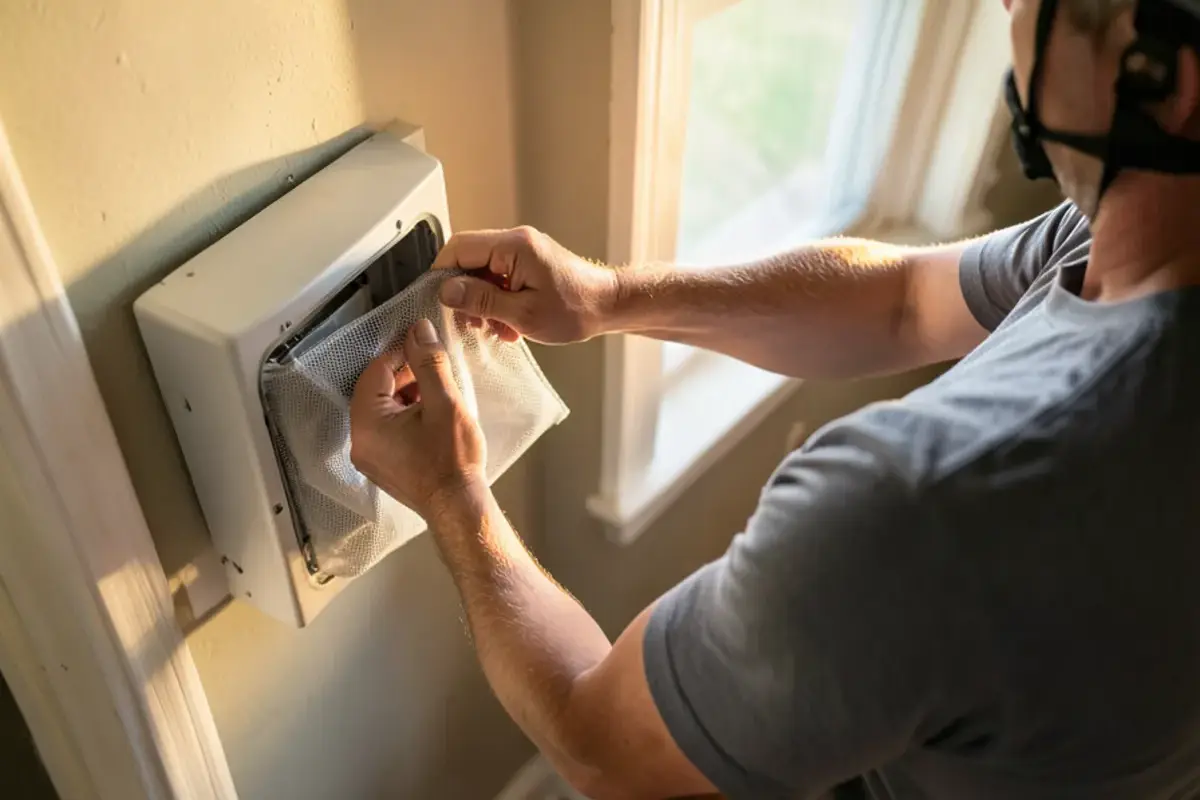
Keep a spare set of filters and the model numbers on one page near the phone, and clean ductless filters on a schedule. They clog faster than most owners expect.
Our Hermann office sits at 124 E 10th St, and our commercial HVAC page covers small business buildings as well. Owners in Berger and down in Owensville can call (209) 563-1270 to talk through zoning before the next busy season. Any quote comes before the work does, and the schedule will follow your calendar.
Brian Grannemann
Owner, Brian Grannemann Services Inc, Hermann, MO. In business since 1998 across heating, cooling, electrical and plumbing work.